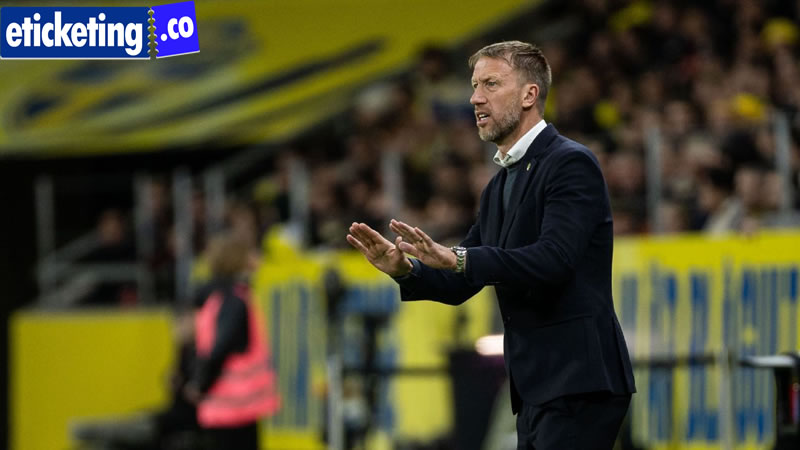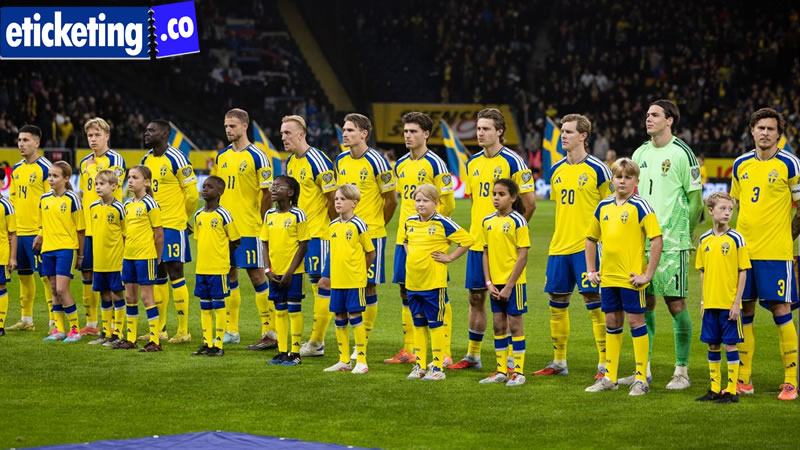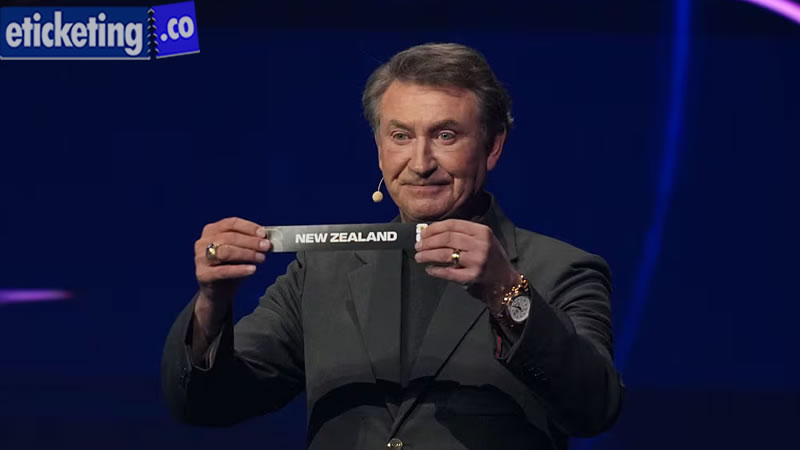

FIFA World Cup Tickets - Mexico vs South Africa Tickets | Mexico vs South Korea Tickets | South Africa Vs South Korea Tickets | Uzbekistan Vs Colombia Tickets |

Mexico vs South Africa Tickets | Mexico vs South Korea Tickets | South Africa Vs South Korea Tickets | South Korea vs Winner Play Off D (DNK CZ IRL MK) Tickets | Mexico vs Winner Play Off D (DNK CZ IRL MK) Tickets | Uzbekistan Vs Colombia Tickets | Colombia vs Winner Play Off 1 (DRC JAM NCL) Tickets

Mexico vs South Africa Tickets | Mexico vs South Korea Tickets | South Africa Vs South Korea Tickets | South Korea vs Winner Play Off D (DNK CZ IRL MK) Tickets | Mexico vs Winner Play Off D (DNK CZ IRL MK) Tickets | Uzbekistan Vs Colombia Tickets | Colombia vs Winner Play Off 1 (DRC JAM NCL) Tickets

Vstupte do světa adrenalinu a napětí s mostbet cz – online platformou, kde na vás čekají sázky na sp

Vstupte do světa adrenalinu a napětí s mostbet cz – online platformou, kde na vás čekají sázky na sport, vzrušující kasino hry a rychlé crash games, a to vše s možností pohodlného sázení z mobilu.

V dnešní době online zábavy a sázení se mostbet cz stává stále populárnější volbou pro hráče i fanoušky sportu. Tato platforma nabízí širokou škálu možností, od sportovních sázek po vzrušující kasinové hry, a to vše v bezpečném a uživatelsky přívětivém prostředí. Mostbet se pyšní intuitivním rozhraním, konkurenceschopnými kurzy a širokou nabídkou platebních metod, což z něj činí ideální destinaci pro ty, kteří hledají zábavu a možnost vyhrát. Ať už jste zkušený hráč nebo nováček ve světě online sázení, mostbet cz má pro vás něco zajímavého.

Sportovní Sázení u Mostbet cz: Kompletní Průvodce

Sportovní sázení na platformě mostbet cz nabízí širokou škálu disciplín, včetně fotbalu, tenisu, hokeje a mnoha dalších. Hráči mohou sázet na předzápasové kurzy, nebo se zapojit do vzrušujícího světa živého sázení, kde se kurzy mění v reálném čase v závislosti na průběhu utkání. mostbet cz poskytuje detailní statistiky, grafy a další užitečné informace, které hráčům pomáhají při rozhodování o jejich sázkách.


Typy Sázek a Kurzy

Platforma mostbet cz nabízí různé typy sázek, např. jednoduché, kombinované a systémové sázky, umožňující hráčům flexibilně přizpůsobit své sázení individuálním preferencím. Dále je k dispozici také možnost sázet na handicap, přesný výsledek, střelce branky a mnoho dalších speciálních sázek. Kurzy jsou pravidelně aktualizovány a jsou konkurenceschopné v porovnání s ostatními sázkovými kancelářemi. Výběr sportů a lig je rozsáhlý, takže si každý sázkař najde to, co ho zajímá.

Živé Sázení a Streaming

Živé sázení, neboli live sázení, je jednou z nejoblíbenějších možností na mostbet cz. Umožňuje hráčům sázet na průběh utkání v reálném čase. Kurzy se během utkání dynamicky mění, což nabízí hráčům možnost rychle reagovat na dění na hřišti. Kromě živého sázení nabízí mostbet cz také streaming některých sportovních událostí, což umožňuje hráčům sledovat své sázené utkání přímo na platformě. Tato kombinace živého sázení a streamingu zvyšuje vzrušení a atraktivitu sázení.

Mobilní Aplikace pro Sázky Kdykoliv a Kdekoliv

Pro maximální pohodlí nabízí mostbet cz mobilní aplikace pro zařízení s operačním systémem Android a iOS. Aplikace umožňují hráčům sázet kdykoliv a kdekoliv, stačí mít pouze připojení k internetu. Aplikace jsou optimalizovány pro mobilní zařízení, což zajišťuje rychlé a plynulé fungování. Mají všechny funkce webové verze, včetně živého sázení, streamingu a platebních možností. Aplikace mostbet cz jsou snadno ovladatelné a intuitivní.

Kasino Mostbet cz: Svět Vzrušujících Her

Kasino mostbet cz nabízí širokou škálu kasinových her, včetně slotů, rulety, blackjacku a pokeru. Hráči si mohou vybrat z mnoha různých her od předních poskytovatelů softwaru, jako jsou Pragmatic Play, NetEnt a Play’n GO. Kasino nabízí jak klasické stolní hry, tak moderní video sloty s poutavou grafikou a zvukovými efekty. Hráči se mohou těšit na bonusy a promo akce, které zvyšují jejich šance na výhru

Populární Slotové Hry

V nabídce kasina mostbet cz najdete širokou škálu populárních slotových her, jako jsou Book of Dead, Starburst, Gonzo’s Quest a mnoho dalších. Tyto hry se vyznačují poutavou grafikou, zábavnými bonusovými funkcemi a potenciálem velkých výher. Hráči mohou si vybrat z různých témat, rozptylů a výherních funkcí, aby našli slot, který nejlépe vyhovuje jejich preferencím. Podíváme se na několik populárních her:

Název Hry
Poskytovatel
Maximální Výhra
RTP (Return to Player)
Book of Dead Play’n GO 5,000x vklad 96.21%
Starburst NetEnt 50,000 mincí 96.09%
Gonzo’s Quest NetEnt 37,500 mincí 96.00%
Sweet Bonanza Pragmatic Play 21,100x vklad 96.48%

Živé Kasino s Reálnými Krupiéry

Živé kasino mostbet cz nabízí autentický zážitek z kasina s reálnými krupiéry. Hráči mohou hrát ruletu, blackjack, baccarat a poker v reálném čase s krupiéry vysílajícími z profesionálních studií. Živé kasino vám přináší atmosféru skutečného kasina, aniž byste museli opustit pohodlí svého domova. Hráči si mohou komunikovat s krupiéry prostřednictvím chatu a užívat si interaktivní zážitek.

Crash Games a Další Alternativy

Mostbet cz se odlišuje od konkurence nabídkou unikátních crash her, jako jsou Aviator, Aviatrix a JetX. Tyto hry založené na jednoduchých principech, ale s vysokým adrenalinem, se rychle staly oblíbenými mezi hráči. Princip spočívá v tom, že hráč sází na rostoucí koeficient a může kdykoliv vybrat svou sázku s dosaženým násobkem. Nicméně, hra může skončit kdykoliv náhodným pádem letadla (v případě Aviatoru a podobných), a hráči, kteří ještě nevybrali sázku, ji ztrácejí. Proto je klíčové správné načasování. Kromě toho se zde objevila spousta her s jackpoty.

  • Aviator: Klasika crash her s letadlem, které neustále stoupá.
  • Aviatrix: Podobný princip jako Aviator, s různými bonusovými funkcemi.
  • JetX: Další populární crash hra s futuristickým designem.

Alternativní Hry: Točení a Poker

Pro ty, kteří hledají jiný typ zábavy, mostbet cz nabízí také točení (keno) a poker. Točení je jednoduchá hra, kde hráč tipuje čísla a vyhrává v závislosti na počtu uhodnutých čísel. Poker je klasická karetní hra, ve které hráči soupeří o bank. Mostbet cz nabízí různé varianty pokeru pro hráče všech úrovní.

  1. Jednoduché ovládání a široká škála her.
  2. Možnost vyhrát velké částky.
  3. Atraktivní bonusy a promo akce.

Platební možnosti a bezpečnost u mostbet cz jsou také na velmi vysoké úrovni. Hráči mohou provádět vklady a výběry pomocí různých platebních metod, jako jsou kreditní karty, e-peněženky (Skrill, Neteller, ecoPayz) a bankovní převody. Platforma je zabezpečená pomocí nejmodernějších technologií, které chrání osobní a finanční údaje hráčů. Podpora je k dispozici 24/7 prostřednictvím chatu a e-mailu.

Excitement_builds_around_the_plinko_game_for_maximizing_rewards_with_calculated

🔥 Играть ▶️

Excitement builds around the plinko game for maximizing rewards with calculated drops

The allure of the plinko game lies in its beautiful simplicity and the thrilling element of chance. A seemingly straightforward concept – dropping a disc from a height and letting it cascade down a board studded with pegs into various scoring slots – hides a surprisingly deep well of strategic consideration. While luck undeniably plays a significant role, understanding the probabilities and employing informed drop strategies can noticeably increase your potential for a substantial reward. The game's popularity, stemming from its prominent feature on television game shows, continues to grow, with digital adaptations and physical versions captivating players of all ages.

The appeal goes beyond mere financial gain. It’s a captivating demonstration of physics, probability, and a touch of human psychology. Observing the disc's descent, anticipating its path, and hoping for a favorable outcome is genuinely engaging. The rapid, almost mesmerizing, descent followed by the final landing creates a unique tension that keeps players returning for more. Ultimately, the plinko board presents a microcosm of risk and reward, a test of both fortune and informed decision-making.

Understanding the Physics of the Descent

The path a disc takes down a plinko board isn't purely random, even though it appears so at first glance. The angle at which the disc is initially released, coupled with the arrangement of the pegs, dictates the trajectory. Each peg acts as a point of deflection, with the disc bouncing either left or right. The probability of bouncing left or right at each peg is theoretically 50/50, though minor imperfections in the pegs or the disc itself can introduce slight biases. However, for the purposes of strategic play, assuming a 50/50 split is a reasonable approximation. This seemingly simple binary choice at each peg compounds over the board’s length, creating a complex web of potential paths. Players can’t control individual bounces, but they can influence the overall probability distribution by carefully selecting their initial drop point.

The initial drop point’s influence extends beyond merely aiming for a desired slot. It affects the overall “spread” of possible outcomes. A drop directly in the center will theoretically offer the most balanced probability distribution, with roughly equal chances of landing in the higher and lower value slots. However, this doesn't necessarily translate to the highest expected value. This is because the highest value slots, often located at the extreme edges, are statistically less likely to be reached from a central starting position. Understanding this trade-off is crucial for developing an effective strategy.

The Role of Peg Density and Spacing

Variations in peg density and spacing also impact the game's dynamics. Boards with closer peg spacing introduce more deflection points, increasing the randomness and reducing the predictability of the descent. Conversely, boards with wider spacing reduce the number of bounce points, giving the disc a more direct trajectory. The optimal strategy will vary depending on the board’s configuration. A board with densely packed pegs might favor a more conservative approach, aiming for slots with moderate values, while a board with sparse pegs could allow for a higher-risk, higher-reward strategy focused on the extreme slots. Manufacturers often create such variations to change the strategy to keep the gameplay fresh and encourage repeat play.

The material of the pegs and the disc also affects the bounce. A softer peg material will absorb more energy from the impact, leading to a shorter bounce and a more predictable trajectory. A harder peg material will result in a higher, more erratic bounce. The disc’s weight and surface texture also play a role, influencing its ability to adhere to or slip off the pegs. These subtle factors, while difficult to quantify precisely, contribute to the overall complexity of the plinko game.

Peg Spacing
Bounce Frequency
Predictability
Strategy
Dense High Low Conservative, Moderate Value Slots
Sparse Low High Aggressive, High Value Slots

This table summarizes the relationship between peg spacing, bounce frequency, predictability, and suggested strategy. It’s a simplified illustration, intended to provide a general guideline for players adjusting their approach based on the board's physical characteristics.

Analyzing Probability Distributions

At the heart of successful plinko gaming lies an understanding of probability distributions. While it's impossible to predict the exact path of any single disc, we can analyze the overall probabilities of landing in each slot. This involves considering the number of possible paths leading to each slot, as well as the likelihood of each path occurring. Sophisticated players may even use simulation software to model the game and estimate these probabilities with greater accuracy. However, even a basic understanding of the underlying principles can significantly improve your chances of winning. A key concept is the “bell curve” or normal distribution, which often approximates the distribution of outcomes in a plinko game. This means that the slots in the center of the board are generally more likely to be hit than the slots at the extreme edges.

However, the width and shape of this bell curve can vary depending on several factors, including the board's design and the initial drop point. A wider bell curve indicates a more uniform distribution of probabilities, while a narrower bell curve suggests a higher concentration of outcomes around the center. By adjusting your drop point, you can influence the shape and position of this curve, shifting the probabilities in your favor. The goal is to find a balance between maximizing the probability of landing in a high-value slot and minimizing the risk of landing in a low-value slot. The optimization of this balance is a core aspect of strategic play.

Utilizing Simulation and Data Analysis

Modern plinko games, particularly their digital counterparts, often lend themselves to simulation and data analysis. By running thousands of simulated drops, players can build up a statistical understanding of the board’s behavior. This allows them to identify patterns and refine their drop strategies. These simulations can account for factors like peg spacing, bounce angles, and even minor imperfections in the board’s construction. The resulting data can be visualized in the form of heatmaps, showing the areas of the board with the highest probability of landing in high-value slots. This visual information can be incredibly valuable for players seeking to optimize their performance.

Beyond simulation, data analysis techniques can be applied to actual gameplay data. By recording the outcomes of previous drops, players can track their performance and identify areas for improvement. This data can reveal subtle biases in their drop technique or uncover hidden patterns in the board's behavior. The iterative process of simulation, gameplay, and data analysis allows players to continuously refine their strategies and maximize their expected winnings.

  • Concentrate on understanding the board layout.
  • Analyze probabilities, not individual bounces.
  • Adjust drop point based on slot values.
  • Utilize simulation tools when available.
  • Track and analyze your gameplay data.

This list provides a concise overview of key strategic considerations for plinko players. Implementing these principles can significantly enhance your chances of success. Remember that even with the most sophisticated strategies, luck will always play a role, but informed decision-making can tip the odds in your favor.

Optimizing Your Drop Strategy

The optimal drop strategy for a plinko game isn't a one-size-fits-all solution. It depends on the specific board layout, the value of the slots, and your own risk tolerance. However, some general principles can guide your decision-making. One common approach is to focus on the highest-value slots, even if they have a lower probability of being hit. This high-risk, high-reward strategy can pay off handsomely if you’re lucky, but it also carries the risk of frequent losses. A more conservative approach is to aim for slots with moderate values and a higher probability of being hit. This strategy reduces the risk of losing altogether, but it also limits your potential winnings. It's crucial to assess the trade-offs and choose a strategy that aligns with your personal preferences.

Another important consideration is the position of the highest-value slots. If they are located close together, it may be beneficial to focus your efforts on that area of the board. This increases your chances of landing in one of the high-value slots. However, if the highest-value slots are widely dispersed, it may be more effective to adopt a broader approach, distributing your drops across multiple areas of the board. Careful observation of the board layout is essential for developing an effective strategy.

Addressing Bias and Variable Outcomes

Even with a well-defined strategy, it's important to acknowledge the potential for bias and variable outcomes. As mentioned earlier, minor imperfections in the pegs or the disc can introduce slight biases in the bounce patterns. These biases may not be immediately apparent, but they can accumulate over time and affect your overall results. It’s helpful to be aware of these possibilities, and to avoid relying too heavily on any single strategy. Be prepared to adjust your approach based on your observations of the game's behavior. Also, randomness is inherent in the plinko game; losing streaks are inevitable. Don't let temporary setbacks discourage you, and continue to refine your strategy based on your long-term results.

To mitigate the effects of bias, consider varying your drop points slightly, even if you have a preferred strategy. This can help to distribute your drops across a wider range of paths, reducing the impact of any localized biases. Also, pay attention to subtle changes in the game's behavior, such as shifts in the bounce patterns or variations in the distribution of outcomes. These changes may indicate that the board has been adjusted or that the pegs have been worn down. Adjusting your strategy accordingly can help you to maintain a competitive edge.

  1. Start with a broad analysis of the board.
  2. Identify high-value target areas.
  3. Adjust drop point based on initial results.
  4. Be aware of potential biases.
  5. Continuously refine your strategy.

This step-by-step guide outlines a process for optimizing your plinko game strategy. By following these steps, you can increase your chances of achieving consistent success.

The Psychology of Plinko and Strategic Decision-Making

Beyond the purely mathematical and physical aspects, the plinko game also involves a fascinating element of psychology. Players often fall prey to cognitive biases that can cloud their judgment and lead to suboptimal decisions. One common bias is the “gambler's fallacy,” the mistaken belief that past events influence future outcomes. For example, a player who has just experienced a series of losses may be tempted to increase their bets, believing that a win is “due.” However, each drop is independent of all previous drops, and the probability of winning remains constant. The gambler’s fallacy can lead to reckless behavior and increased losses.

Another cognitive bias that can affect plinko players is "loss aversion," the tendency to feel the pain of a loss more strongly than the pleasure of an equivalent gain. This can lead players to take excessive risks in an attempt to recoup their losses, or to become overly cautious and avoid potentially profitable opportunities. It’s important to be aware of these psychological biases and to make rational decisions based on sound probabilities, not emotional impulses. Maintaining a calm and objective mindset is crucial for successful plinko gaming. Understanding these biases isn't just about winning; it’s about enjoying the game responsibly.

Exploring Next-Generation Plinko Innovations

The world of plinko is far from static; ongoing innovations continue to enhance the gameplay experience. We're seeing the emergence of digitally augmented plinko boards that track drop statistics in real-time, providing players with instant feedback and personalized insights. These boards often incorporate dynamic difficulty adjustments, altering peg configurations based on player performance to maintain an optimal level of challenge. Further, new game modes introduce variable peg arrangements, bonus multipliers triggered by specific landing slots, and even cooperative gameplay where multiple players contribute to a shared pool of drops. These advancements add layers of complexity and excitement, pushing the boundaries of what’s possible with this classic game.

Beyond the technological enhancements, there’s a growing trend toward themed plinko boards inspired by popular culture and current events. This customization extends the game's appeal to a wider audience and creates unique opportunities for branding and engagement. The integration of virtual reality (VR) and augmented reality (AR) technologies promises to further revolutionize the plinko experience, allowing players to immerse themselves in entirely new virtual environments and interact with the game in innovative ways. The future of plinko is bright, with continuous development aimed at maximizing both entertainment value and strategic depth.

Excitement_builds_around_the_plinko_game_for_maximizing_rewards_and_strategic_di

🔥 Играть ▶️

Excitement builds around the plinko game for maximizing rewards and strategic disc drops

The captivating allure of the plinko game has seen a resurgence in popularity, fueled by its simple yet engaging gameplay and the thrill of potential rewards. Originally popularized as a staple on price-is-right-style game shows, this game of chance has transcended its television origins, finding a new audience through online casinos, skill-based arcade games, and even cryptocurrency platforms. The core mechanic remains instantly recognizable: a disc is dropped from the top of a board filled with pegs, cascading downwards in a seemingly random pattern, ultimately landing in one of several prize slots at the bottom. However, beneath the surface of apparent randomness lies a surprising amount of strategy that players can employ to influence their odds.

Understanding the dynamics of a plinko board isn't merely about accepting fate; it’s about recognizing the subtle influences that guide the disc’s trajectory. The arrangement of the pegs, the angle of the initial drop, and even the physical properties of the disc itself all contribute to the final outcome. While complete predictability is impossible, a calculated approach, informed by probability and observation, can significantly improve a player’s chances of landing in higher-value slots. This article will delve into the intricacies of the game, examining the strategies, the mathematics, and the psychological factors that make the plinko game such an enduring and captivating form of entertainment.

Understanding the Physics of the Plinko Board

The apparent randomness of the plinko game is deceptive. While the path a disc takes appears chaotic, it's fundamentally governed by the laws of physics, specifically gravity and the principles of momentum transfer. Each time the disc collides with a peg, some of its kinetic energy is transferred, and its direction is altered. The angle of incidence—the angle at which the disc strikes a peg—is crucial as it largely determines the angle of reflection. However, the process isn’t perfect; frictional forces and slight imperfections in the pegs introduce an element of unpredictability. This is why, even with precise control over the initial drop point, the results will vary.

The distribution of pegs also plays a vital role. A densely packed arrangement of pegs will lead to more frequent collisions, resulting in a more erratic path. Conversely, a sparser arrangement allows the disc to travel more directly downwards, with less deviation. The design of the board itself is carefully considered by game developers to ensure a balance between chance and skill. They aim to create a challenging yet rewarding experience, where players feel a sense of agency without the illusion of complete control. Mastering the knowledge of how different peg arrangements impact the disc’s journey is paramount to improving strategy.

The Impact of Disc Properties

The physical properties of the disc – its weight, diameter, and material – also contribute to the game’s dynamics. A heavier disc will possess more momentum, making it less susceptible to deflection by the pegs. Its trajectory will be more stable and predictable. Similarly, a disc with a smoother surface will experience less friction, allowing it to maintain its velocity for longer. The selection of disc materials is thus strategic; game developers will often favor discs crafted from materials that strike a balance between weight, smoothness, and durability. Understanding these subtle characteristics can permit a player to more accurately anticipate possible outcomes, although, in practice, access to these specifications is frequently curtailed.

Many online plinko games simulate these physical properties digitally. The quality of these simulations can vary greatly. More sophisticated simulations account for factors like air resistance and the elasticity of the pegs, creating a more realistic and engaging experience. However, even the most advanced simulations cannot fully replicate the complexities of a real-world plinko board.

Disc Property
Impact on Trajectory
Weight Heavier discs have more momentum, resulting in a straighter path.
Diameter Larger discs are more likely to collide with pegs.
Surface Smoothness Smoother discs experience less friction, maintaining velocity.
Material Determines the balance of weight, smoothness, and elasticity.

Analyzing these properties and their potential influence, even at a conceptual level, allows players to move past pure chance and begin formulating a basic strategic approach.

Strategic Drop Points and Probability Distributions

The most fundamental aspect of plinko strategy involves selecting the optimal drop point at the top of the board. While there’s no guaranteed winning strategy, certain drop points offer a higher probability of landing in more lucrative slots. The key is to understand the probability distribution of the slots. Generally, slots positioned towards the center of the board have a higher probability of being hit, while those on the edges are less likely. This isn’t because the board is biased, but simply due to the geometry of the peg arrangement. A disc dropped directly in the center has a greater range of possible paths that can lead to any of the slots, whereas a disc dropped near the edge has a more limited range.

However, the highest-value slots are rarely positioned directly in the center. They're typically located towards the edges, requiring a more precise and calculated drop. This presents a strategic dilemma: play it safe and aim for a central slot with a moderate payout, or take a risk and aim for an edge slot with a potentially large reward? The answer depends on the player’s risk tolerance and their understanding of the board’s specific layout. More sophisticated players will attempt to map the board’s probability distribution, identifying drop points that maximize their chances of hitting a desired slot.

Analyzing Board Layouts

Each plinko board is unique, with a different arrangement of pegs and different prize slots. Therefore, a cookie-cutter approach to strategy won’t work. Successful players must carefully analyze the board layout before making their first drop. They should observe the distribution of pegs, the position of the prize slots, and any patterns that emerge. Are there any channels or pathways that seem to favor certain slots? Are there any areas of the board that are particularly dense with pegs, causing the disc to bounce around unpredictably? The more information the player can gather, the better equipped they are to make informed decisions.

Digital plinko games often provide tools to help players analyze the board. Some games allow players to simulate drops from different points, showing the possible paths the disc might take. These simulations can be invaluable for identifying optimal drop points. However, it’s important to remember that simulations are only approximations of reality. The actual results may vary due to the random nature of the game.

  • Central Drop Points: Higher probability of any hit, lower payout potential.
  • Edge Drop Points: Lower probability of a hit, higher payout potential.
  • Peg Density: Dense areas lead to erratic paths; sparse areas allow for more direct trajectories.
  • Channel Identification: Recognizing pathways that favor certain slots.

Understanding these elements is critical for developing a viable strategy, shifting player control from blind luck to informed decision-making.

The Role of Random Number Generators (RNGs)

In the digital realm, the randomness of the plinko game is not a product of physics, but rather of software – specifically, Random Number Generators (RNGs). These algorithms are designed to produce a sequence of numbers that appear statistically random. The RNG determines the angle at which the disc bounces off each peg, ultimately dictating its final landing position. The integrity of the RNG is paramount. A biased or predictable RNG would undermine the fairness of the game and allow players to exploit vulnerabilities.

Reputable online casinos and game developers employ sophisticated RNGs that are regularly audited by independent testing agencies. These audits ensure that the RNG is truly random and that the game's outcomes are not manipulated. The use of cryptographic techniques, such as hashing and salting, further enhances the security and integrity of the RNG. Players can often verify the fairness of a plinko game by checking for a certificate of RNG compliance.

Understanding Provably Fair Systems

A growing number of online plinko games utilize "provably fair" systems. These systems allow players to verify the randomness of each game outcome themselves. Typically, a provably fair system involves the generation of a seed value, which is used to initialize the RNG. The seed value is publicly disclosed before the game begins. After the game is played, the player can use the seed value and a cryptographic hash function to verify the outcome. This level of transparency provides players with a greater level of trust and assurance.

The implementation of these systems goes beyond standard RNG checks, adding a layer of accountability and trust for the user. This has been a significant driver in the adoption of plinko games in the cryptocurrency and blockchain space, where transparency is highly valued.

  1. RNG Initialization: The RNG is started with a seed value.
  2. Seed Disclosure: The seed value is made public before the game begins.
  3. Game Play: The RNG generates a sequence of numbers, determining the game outcome.
  4. Outcome Verification: Players can verify the outcome using the seed value and a cryptographic hash function.

These systems empower players to independently confirm the integrity of the game, fostering trust and reinforcing fairness.

Psychological Aspects of Plinko Gameplay

The appeal of the plinko game extends beyond its simple mechanics. The game taps into several psychological principles that contribute to its addictive nature. The element of chance creates a sense of anticipation and excitement. Each drop feels like a mini-lottery, with the potential for a big win. The visual spectacle of the disc cascading down the board is also captivating. The bright colors, the satisfying sound effects, and the constant movement all contribute to a stimulating and engaging experience.

Furthermore, the plinko game provides a sense of control, even though the outcome is ultimately random. Players can choose their drop point, and they can observe the disc’s trajectory as it bounces down the board. This gives them the illusion of influencing the outcome, which can be highly rewarding. The near misses – when the disc lands just short of a high-value slot – can also be surprisingly engaging. These near misses create a sense of hope and encourage players to keep trying.

Future Trends in Plinko Game Development

The world of the plinko game is far from static. Innovations are constantly being introduced, both in terms of game design and underlying technology. One emerging trend is the integration of virtual reality (VR) and augmented reality (AR) technologies. VR plinko games will allow players to experience the thrill of the game in a fully immersive environment, while AR plinko games will overlay the game onto the real world, creating a unique and interactive experience. Another exciting development is the use of blockchain technology to create decentralized plinko games. These games will be provably fair, transparent, and resistant to censorship. The integration of skill-based elements is also gaining traction. Rather than relying solely on chance, these games will require players to demonstrate a certain level of skill or strategy in order to maximize their winnings.

Looking forward, we can anticipate plinko game evolution to be driven by a desire for greater player agency, transparency and immersion, alongside the ever-present allure of potentially life-changing rewards. The platform is ripe for blurring the lines between chance and skill, creating an experience that is both engaging and intellectually stimulating. The possibilities are vast, positioning the plinko game for sustained relevance in the ever-evolving landscape of digital gaming.

Excitement_builds_around_the_plinko_game_for_calculated_risks_and_substantial_pr

🔥 Играть ▶️

Excitement builds around the plinko game for calculated risks and substantial prize outcomes

The allure of a game of chance, where skill can subtly influence the outcome, is a captivating one. The plinko game, with its visually engaging cascade of a disc down a field of pegs, embodies this perfectly. It's a spectacle that draws crowds at carnivals, casinos, and increasingly, in the digital realm. The core principle is simple: drop a puck from the top, watch it bounce, and hope it lands in a high-value slot at the bottom. However, beneath this simplicity lies a fascinating interplay of physics, probability, and strategic decision-making.

What makes this game so compelling isn’t just the potential for a significant payout, but the element of controlled randomness. Unlike purely random outcomes like a lottery, a player in a plinko-style game can exert some influence over the initial drop point. This illusion of control creates a unique psychological engagement, making each play a personal experiment in risk assessment and reward anticipation. The game's appeal extends beyond simple monetary gain, offering a satisfying experience purely based on the visual and auditory spectacle of the puck’s descent.

Understanding the Physics of the Descent

The trajectory of the plinko puck is governed by a combination of gravity and collisions with the pegs. Each impact represents a branching point, sending the puck either left or right. While the initial direction is determined by the player's chosen drop point, subsequent movements are largely a matter of chance. However, it’s not completely random. The arrangement of the pegs, their spacing, and the material they're made from all influence the angle of reflection. A smoother peg will impart less directional change than a rougher one. Experienced players often observe subtle patterns in peg behavior over time, trying to anticipate potential biases in the board’s structure.

The Role of Peg Density and Angle

The density of the pegs plays a crucial role. A higher density leads to more frequent collisions, increasing the randomness of the descent and leveling the playing field. In contrast, a sparser arrangement allows for more predictable trajectories, potentially favoring certain slots. The angle at which the pegs are set also has an impact. Pegs angled slightly to one side will naturally deflect the puck in that direction more often, introducing a systematic bias into the game. Understanding these nuances can help players make informed decisions about their drop point, even if they can’t eliminate the element of luck.

Peg Density
Impact on Randomness
Potential Player Strategy
High Density Increased randomness, more unpredictable Focus on a wider range of potential winning slots.
Low Density Decreased randomness, more predictable Target specific, higher-value slots with careful aiming.
Uneven Distribution Introduces bias towards certain areas Identify and exploit the bias by adjusting the drop point.

Analyzing the board itself is paramount. Taking the time to observe several puck drops can reveal subtle patterns. Is there a particular side that seems to consistently yield better results? Are certain areas of the board characterized by more frequent collisions? These observations, combined with an understanding of the underlying physics, can provide a slight edge.

Strategic Drop Point Selection

Choosing the right drop point is the single most important skill in maximizing your chances of success. A purely random approach is unlikely to yield consistent results. Instead, players need to consider the payout structure of the board and the likely distribution of pucks. Boards typically feature a central, high-value slot, flanked by several lower-value slots on either side. The temptation is to aim directly for the center, but this isn’t always the optimal strategy. The higher the stakes, the more important a calculated approach becomes. Beginners often overestimate their ability to control the initial direction and end up missing the center zone entirely.

Evaluating Payout Structures

The payout structure significantly influences optimal strategy. If the central slot offers a disproportionately high reward, then a more aggressive approach may be justified, despite the increased risk of missing. Conversely, if the payouts are relatively uniform, then a more conservative strategy, aiming for a wider range of slots, may be more effective. It’s important to remember that even a small increase in the probability of hitting a decent payout can lead to a significant improvement in your overall return over time. The perceived “value” of each slot must be weighed against its probability of being hit.

  • Consider the overall risk-reward ratio of the board.
  • Analyze the distribution of payouts across the various slots.
  • Observe the behavior of the puck during several test drops.
  • Adjust your drop point based on observed patterns and payout structure.
  • Don't be afraid to experiment with different strategies.

Beyond the basic payout scheme, some plinko variations introduce additional features, such as multiplier slots or bonus rounds. These features add another layer of complexity to the game, requiring players to adjust their strategies accordingly. Successfully navigating these variations demands a flexible and adaptive approach.

The Psychology of Plinko: Risk Tolerance and Decision-Making

The plinko game taps into fundamental aspects of human psychology. The thrill of watching the puck descend, the anticipation of a potential win, and the feeling of control – however illusory – create a highly engaging experience. Players often exhibit a confirmation bias, focusing on winning outcomes and downplaying losses. This can lead to overconfidence and poor decision-making. Equally impactful is the gambler’s fallacy, the belief that past events influence future probabilities. Just because the puck hasn’t landed in a particular slot for several rounds doesn’t mean it’s “due” to land there next. Each drop is an independent event.

Managing Emotional Biases

To counteract these psychological biases, it’s crucial to approach the game with a rational mindset. Set a budget before you start playing and stick to it. Don’t chase losses or let emotions dictate your decisions. Treat each drop as an independent experiment, and focus on making informed choices based on the available information. Remember that the house always has an edge, and long-term profitability is unlikely. The primary goal should be to enjoy the experience and manage your risk responsibly. Understanding your own risk tolerance is key to maximizing enjoyment.

  1. Set a clear budget before beginning to play.
  2. Avoid chasing losses; accept occasional setbacks.
  3. Treat each drop as an independent event.
  4. Focus on making informed decisions based on observation.
  5. Recognize and manage your own emotional biases.

A successful plinko player isn’t necessarily the one who wins the most money, but rather the one who understands the game's dynamics, manages their risk effectively, and enjoys the entertainment value.

Digital Plinko and the Evolution of the Game

The advent of digital plinko games has brought both opportunities and challenges. Online versions often feature enhanced graphics, realistic physics simulations, and a wider range of payout structures. They also offer the convenience of playing from anywhere, at any time. However, it's crucial to choose reputable online platforms that use certified random number generators to ensure fairness. The lack of a physical board can remove some of the tactile feedback and visual cues that players rely on in traditional plinko, requiring a different set of strategic considerations.

Beyond the Game: Applications in Data Analysis and Probability Modeling

The underlying principles of the plinko game – namely, the cascading effect of probabilities – have applications in various fields beyond entertainment. Data scientists use similar models to analyze branching processes in areas like customer journey mapping, network analysis, and even biological systems. The game serves as a simplified illustration of how small initial variations can lead to significant differences in outcomes over time. Simulating the plinko board can create predictive models for complex systems, offering insights into potential risks and rewards. This extends its relevance beyond casual play.

The enduring appeal of the plinko game lies in its unique blend of chance, skill, and psychological engagement. By understanding the physics of the descent, evaluating payout structures, and managing emotional biases, players can enhance their enjoyment and potentially improve their odds. While luck will always play a role, a calculated approach can certainly increase your chances of experiencing the thrill of a winning drop. The game, whether played at a carnival or online, represents a compelling microcosm of risk and reward, inviting players to test their judgment and embrace the unpredictable nature of fortune.

Looking forward, we can anticipate further evolution in plinko game design, perhaps incorporating elements of augmented reality or personalized risk profiles. As technology continues to advance, the possibilities for creating innovative and engaging plinko experiences are seemingly limitless. The core principle, however – the captivating dance between control and chance – will likely remain at the heart of the game's enduring allure.

Excitement_builds_around_the_plinko_game_as_skilled_players_boost_winning_odds

🔥 Играть ▶️

Excitement builds around the plinko game as skilled players boost winning odds

The allure of the cascading pegs and the anticipation of where the puck will land—the plinko game has steadily gained popularity, evolving from a staple of game shows to a captivating pastime enjoyed by many. This seemingly simple game, however, harbors a surprising depth of strategy and probability, attracting players eager to understand how to maximize their chances of hitting the higher-value slots. The core appeal lies in its combination of chance and the illusion of control; while the outcome is ultimately random, skilled observation and a grasp of basic physics can subtly influence the odds.

Beneath the surface of bright colors and cheerful sounds, the plinko board presents a unique challenge. Players aren't simply relying on pure luck; they're attempting to predict, with increasing accuracy, the chaotic dance of a disc as it descends through a field of obstacles. This has led to a growing community of players dedicated to understanding the nuances of puck trajectories, peg influence, and optimal release points, all in pursuit of consistently winning combinations. The strategic element makes the plinko game far more engaging than a purely random lottery, inviting players to experiment, analyze, and refine their technique.

Understanding the Physics Behind the Plinko Board

The seemingly random path of the puck in a plinko game is, in actuality, governed by the fundamental laws of physics. Gravity is the primary force at play, pulling the puck downwards. However, the pegs introduce an element of inelastic collision, meaning that not all kinetic energy is conserved during each impact. The angle of incidence and the elasticity of the peg material dictate the angle of reflection, and slight variations in these factors can drastically alter the puck's trajectory. Players often underestimate the cumulative effect of these minor deflections; over the course of many pegs, small deviations can lead to a significant difference in the final landing slot. Understanding this foundational principle is the first step towards improving one’s gameplay. It’s not simply about aiming for a specific slot; it’s about understanding how the puck reacts to the board itself.

The Role of Peg Density and Placement

The arrangement of the pegs has a substantial influence on the distribution of outcomes. Boards with a higher peg density, meaning more pegs per unit area, tend to create more chaotic and unpredictable trajectories. This is because the puck experiences more frequent collisions, increasing the potential for deviation. Conversely, boards with fewer pegs may exhibit a more predictable pattern, allowing for a greater degree of control. The placement of pegs also matters; symmetrical arrangements generally result in a more even distribution of pucks across the slots, while asymmetrical arrangements can introduce biases towards certain areas of the board. Analyzing these patterns is crucial for developing a winning strategy. Subtle asymmetries are often exploited by experienced players who identify predictable, favored paths.

Peg Density
Trajectory Predictability
Typical Outcome Distribution
High Low More Random
Medium Moderate Balanced
Low High More Linear

This table illustrates the general relationship between peg density and the resulting trajectory. It’s important to note that these are generalizations, and the specific design of each plinko board will influence the actual outcome. Experimentation and observation are key to determining the specific characteristics of a given board.

Developing a Strategic Approach to Dropping

While chance plays a significant role, a strategic approach to dropping the puck can demonstrably improve your chances of landing in higher-value slots. This begins with careful observation. Before even making a drop, spend time watching how other pucks behave. Identify patterns in the bounces, noting which areas of the board seem to favor specific slots. Pay attention to the initial drop point and how it correlates to the final outcome. Don’t just focus on winning drops; analyze the losing ones as well. These can provide valuable insights into areas to avoid. The goal isn’t to eliminate randomness, but to tilt the odds slightly in your favor through informed decision-making.

Targeting and Adjusting Your Aim

Once you've observed the board, start experimenting with different drop points. Don't be afraid to make small adjustments to your aim. A slight shift in the initial release position can have a surprisingly large impact on the final result. Focus on finding a “sweet spot” – a specific area where the puck consistently bounces in a favorable direction. Remember that even the most precise aim isn’t foolproof. The inherent chaos of the board means that even a perfectly executed drop can sometimes go awry. The key is to identify the areas that offer the highest probability of success and consistently aim for those. Keep a mental note of successful and unsuccessful attempts, refining your strategy based on empirical evidence.

  • Observe the board without attempting a drop for several minutes.
  • Start with drops in the center of the board and gradually move outwards.
  • Record your results to identify patterns and trends.
  • Adjust your aim in small increments to fine-tune your strategy.
  • Don't be afraid to experiment with different drop heights.

These points represent a simple, iterative approach to developing a winning strategy. Consistent practice and a data-driven mindset are crucial for success. The plinko game is a perfect example of how understanding the underlying principles of a system can empower you to make more informed decisions.

The Psychology of the Plinko Game

Beyond the physics and strategy, the plinko game also taps into fundamental psychological principles. The visual spectacle of the cascading puck is intrinsically engaging, creating a sense of anticipation and excitement. The intermittent rewards – even small wins – trigger the release of dopamine, reinforcing the behavior and encouraging continued play. This is the same psychological mechanism that drives many forms of gambling. However, unlike traditional casino games, the plinko game often feels more skill-based, even though the element of chance remains dominant. This illusion of control can be particularly alluring, leading players to believe they are mastering the game when, in reality, they are simply experiencing favorable streaks of luck.

Managing Expectations and Avoiding Tilt

It’s crucial to manage your expectations when playing a plinko game. Recognize that losses are inevitable, and don't chase them by making increasingly risky drops. “Tilt,” a term borrowed from pinball, refers to the state of frustration and irrational decision-making that occurs after a series of losses. When you're on tilt, you're more likely to deviate from your strategy, make impulsive bets, and ultimately lose more money. If you find yourself getting frustrated, take a break. Step away from the board, clear your head, and return when you're feeling more calm and rational. Remember that the plinko game is meant to be a fun and entertaining experience, not a source of stress or financial anxiety.

  1. Set a budget and stick to it.
  2. Accept that losses are part of the game.
  3. Take breaks when you're feeling frustrated.
  4. Don't chase losses by making rash decisions.
  5. Focus on enjoying the experience, regardless of the outcome.

Following these steps can help you maintain a healthy mindset and avoid the pitfalls of tilt, ensuring that your plinko experiences remain enjoyable and positive.

Variations in Plinko Board Design and Their Impact

The basic principle of the plinko game remains consistent – a puck dropped from the top cascades down pegs towards various slots – but there’s considerable variation in board design. Some boards feature a wider array of slots with differing payout values, increasing the potential for both large wins and significant losses. Others incorporate obstacles or secondary peg fields, adding layers of complexity to the trajectory. Furthermore, the material used for the pegs and the board surface can influence the puck’s bounce. Softer pegs will absorb more energy resulting in a less forceful bounce, while harder pegs will create a more reactive and unpredictable path. Understanding these subtle design differences is vital to adapting your strategy.

The Future of Plinko: Digital Innovations and Skill-Based Adaptations

The popularity of the plinko game has led to exciting innovations, particularly in the digital realm. Online versions of the game often incorporate enhanced graphics, animations, and sound effects to create a more immersive experience. Some digital adaptations offer skill-based challenges, allowing players to earn bonus points or multipliers by precisely aiming their drops. We're also seeing the emergence of hybrid plinko games that combine elements of chance with strategic mini-games, such as puzzle-solving or timing challenges. These adaptations appeal to a broader audience by offering something beyond pure luck and emphasizing player agency. The integration of blockchain technology is another emerging trend, offering transparent and provably fair gameplay, eliminating concerns about manipulation. This ongoing evolution ensures that the plinko game will remain a captivating form of entertainment for years to come, constantly adapting to meet the expectations of a digitally savvy player base.

The Dead Internet Theory: Is Most of the Web Already Fake?

The internet has transformed dramatically over the last two decades. What was once a place where millions of
people shared personal blogs, unique websites, and genuine conversations has evolved into an ecosystem dominated
by algorithms, artificial intelligence, and automated content. This shift has given rise to one of the internet’s
most fascinating conspiracy theories: The Dead Internet Theory.

According to supporters of the theory, a large portion of today’s online activity is no longer created by real
people. Instead, bots, AI systems, automated marketing tools, and synthetic media are allegedly responsible for
much of what users see every day. While many experts reject the more extreme claims, the theory continues to gain
attention across Reddit, YouTube, and social media because it raises important questions about authenticity in
the digital age.

What Is the Dead Internet Theory?

The Dead Internet Theory suggests that the internet effectively “died” sometime in the late 2010s. Rather than
being powered primarily by human interaction, the modern web is believed to be increasingly populated by
automated systems generating articles, comments, images, videos, and even social media discussions.

While the theory is often presented as a conspiracy, its central idea reflects a growing concern: it is becoming
harder to distinguish genuine human content from material created by machines.

Why Has the Theory Become So Popular?

Several technological trends have made the theory feel more believable to many internet users.

  • AI can now write convincing articles within seconds.
  • Image generators create realistic photos of people who do not exist.
  • Social media platforms are filled with automated accounts.
  • Recommendation algorithms often amplify repetitive or low-quality content.
  • Spam websites publish thousands of AI-generated pages every day.

Together, these developments create the impression that authentic human voices are becoming increasingly difficult
to find online.

The Role of Artificial Intelligence

Modern AI tools have dramatically changed content creation. Businesses use AI to generate marketing copy,
customer support responses, product descriptions, and even news summaries. Individual creators rely on AI to
brainstorm ideas, edit videos, design graphics, and translate content into multiple languages.

While these technologies improve productivity, they also contribute to an internet where machine-generated
material appears alongside human-created work with little obvious distinction.

Are Bots Really Everywhere?

Automated accounts have existed almost as long as social media itself. Some bots provide useful services, such as
posting weather updates or monitoring software issues. Others are designed to spread spam, manipulate public
opinion, inflate engagement metrics, or promote products.

Studies have repeatedly shown that a noticeable percentage of activity on major platforms comes from automated
accounts. Although this does not mean that most users are fake, it does contribute to the perception that online
conversations are becoming less authentic.

How Algorithms Shape Our Reality

Even when content is created by real people, algorithms determine what most users actually see. Social media
feeds prioritize engagement, often promoting controversial, emotional, or highly shareable posts over quieter,
more thoughtful discussions.

This creates an environment where users repeatedly encounter similar opinions, viral trends, and recycled
content, reinforcing the feeling that the internet has become artificial or repetitive.

Evidence Supporting the Theory

Although there is no proof that the internet is mostly fake, several observable trends give the theory some
credibility.

  • Rapid growth of AI-generated websites.
  • Increasing numbers of automated social media accounts.
  • Mass-produced articles designed solely for search engine rankings.
  • Deepfake videos becoming easier to create.
  • Fake reviews and synthetic customer testimonials.

These developments demonstrate that automation now plays a significant role in shaping the online experience.

Arguments Against the Theory

Critics argue that the Dead Internet Theory exaggerates real technological trends. Billions of people continue to
communicate online every day through messaging apps, forums, video calls, gaming communities, and social media.
Human creativity remains visible across countless independent creators, artists, educators, and developers.

Rather than replacing humans entirely, AI is more accurately viewed as a tool that assists people in creating
content faster and more efficiently.

How to Spot Authentic Content

As AI-generated material becomes more common, digital literacy is increasingly important. Users can reduce the
risk of being misled by following a few simple practices.

  1. Verify information using multiple trusted sources.
  2. Check the author’s identity and reputation.
  3. Look for original research and personal experience.
  4. Be cautious of sensational headlines designed only to generate clicks.
  5. Question images or videos that appear unusually perfect or unrealistic.

What Does the Future Hold?

Artificial intelligence will almost certainly continue expanding its presence across the internet. More articles,
videos, illustrations, and software will be created with the help of AI systems. The challenge will not be
preventing automation but ensuring transparency about how content is produced.

Governments, technology companies, and researchers are already exploring methods for watermarking AI-generated
media, improving content verification, and helping users identify authentic sources of information.

Final Thoughts

The Dead Internet Theory remains a fascinating blend of conspiracy, observation, and legitimate concern. While
there is little evidence that the internet is mostly populated by bots, there is no doubt that automation and
artificial intelligence are changing how online content is created and consumed.

Whether the theory is ultimately proven right or wrong, it highlights an important reality: authenticity is
becoming one of the most valuable resources on the modern internet. As AI-generated content continues to grow,
the ability to recognize trustworthy information and genuine human creativity will become more important than
ever before.

The Dead Internet Theory: Is Most of the Web Already Fake?

The internet has transformed dramatically over the last two decades. What was once a place where millions of
people shared personal blogs, unique websites, and genuine conversations has evolved into an ecosystem dominated
by algorithms, artificial intelligence, and automated content. This shift has given rise to one of the internet’s
most fascinating conspiracy theories: The Dead Internet Theory.

According to supporters of the theory, a large portion of today’s online activity is no longer created by real
people. Instead, bots, AI systems, automated marketing tools, and synthetic media are allegedly responsible for
much of what users see every day. While many experts reject the more extreme claims, the theory continues to gain
attention across Reddit, YouTube, and social media because it raises important questions about authenticity in
the digital age.

What Is the Dead Internet Theory?

The Dead Internet Theory suggests that the internet effectively “died” sometime in the late 2010s. Rather than
being powered primarily by human interaction, the modern web is believed to be increasingly populated by
automated systems generating articles, comments, images, videos, and even social media discussions.

While the theory is often presented as a conspiracy, its central idea reflects a growing concern: it is becoming
harder to distinguish genuine human content from material created by machines.

Why Has the Theory Become So Popular?

Several technological trends have made the theory feel more believable to many internet users.

  • AI can now write convincing articles within seconds.
  • Image generators create realistic photos of people who do not exist.
  • Social media platforms are filled with automated accounts.
  • Recommendation algorithms often amplify repetitive or low-quality content.
  • Spam websites publish thousands of AI-generated pages every day.

Together, these developments create the impression that authentic human voices are becoming increasingly difficult
to find online.

The Role of Artificial Intelligence

Modern AI tools have dramatically changed content creation. Businesses use AI to generate marketing copy,
customer support responses, product descriptions, and even news summaries. Individual creators rely on AI to
brainstorm ideas, edit videos, design graphics, and translate content into multiple languages.

While these technologies improve productivity, they also contribute to an internet where machine-generated
material appears alongside human-created work with little obvious distinction.

Are Bots Really Everywhere?

Automated accounts have existed almost as long as social media itself. Some bots provide useful services, such as
posting weather updates or monitoring software issues. Others are designed to spread spam, manipulate public
opinion, inflate engagement metrics, or promote products.

Studies have repeatedly shown that a noticeable percentage of activity on major platforms comes from automated
accounts. Although this does not mean that most users are fake, it does contribute to the perception that online
conversations are becoming less authentic.

How Algorithms Shape Our Reality

Even when content is created by real people, algorithms determine what most users actually see. Social media
feeds prioritize engagement, often promoting controversial, emotional, or highly shareable posts over quieter,
more thoughtful discussions.

This creates an environment where users repeatedly encounter similar opinions, viral trends, and recycled
content, reinforcing the feeling that the internet has become artificial or repetitive.

Evidence Supporting the Theory

Although there is no proof that the internet is mostly fake, several observable trends give the theory some
credibility.

  • Rapid growth of AI-generated websites.
  • Increasing numbers of automated social media accounts.
  • Mass-produced articles designed solely for search engine rankings.
  • Deepfake videos becoming easier to create.
  • Fake reviews and synthetic customer testimonials.

These developments demonstrate that automation now plays a significant role in shaping the online experience.

Arguments Against the Theory

Critics argue that the Dead Internet Theory exaggerates real technological trends. Billions of people continue to
communicate online every day through messaging apps, forums, video calls, gaming communities, and social media.
Human creativity remains visible across countless independent creators, artists, educators, and developers.

Rather than replacing humans entirely, AI is more accurately viewed as a tool that assists people in creating
content faster and more efficiently.

How to Spot Authentic Content

As AI-generated material becomes more common, digital literacy is increasingly important. Users can reduce the
risk of being misled by following a few simple practices.

  1. Verify information using multiple trusted sources.
  2. Check the author’s identity and reputation.
  3. Look for original research and personal experience.
  4. Be cautious of sensational headlines designed only to generate clicks.
  5. Question images or videos that appear unusually perfect or unrealistic.

What Does the Future Hold?

Artificial intelligence will almost certainly continue expanding its presence across the internet. More articles,
videos, illustrations, and software will be created with the help of AI systems. The challenge will not be
preventing automation but ensuring transparency about how content is produced.

Governments, technology companies, and researchers are already exploring methods for watermarking AI-generated
media, improving content verification, and helping users identify authentic sources of information.

Final Thoughts

The Dead Internet Theory remains a fascinating blend of conspiracy, observation, and legitimate concern. While
there is little evidence that the internet is mostly populated by bots, there is no doubt that automation and
artificial intelligence are changing how online content is created and consumed.

Whether the theory is ultimately proven right or wrong, it highlights an important reality: authenticity is
becoming one of the most valuable resources on the modern internet. As AI-generated content continues to grow,
the ability to recognize trustworthy information and genuine human creativity will become more important than
ever before.

The Dead Internet Theory: Is Most of the Web Already Fake?

The internet has transformed dramatically over the last two decades. What was once a place where millions of
people shared personal blogs, unique websites, and genuine conversations has evolved into an ecosystem dominated
by algorithms, artificial intelligence, and automated content. This shift has given rise to one of the internet’s
most fascinating conspiracy theories: The Dead Internet Theory.

According to supporters of the theory, a large portion of today’s online activity is no longer created by real
people. Instead, bots, AI systems, automated marketing tools, and synthetic media are allegedly responsible for
much of what users see every day. While many experts reject the more extreme claims, the theory continues to gain
attention across Reddit, YouTube, and social media because it raises important questions about authenticity in
the digital age.

What Is the Dead Internet Theory?

The Dead Internet Theory suggests that the internet effectively “died” sometime in the late 2010s. Rather than
being powered primarily by human interaction, the modern web is believed to be increasingly populated by
automated systems generating articles, comments, images, videos, and even social media discussions.

While the theory is often presented as a conspiracy, its central idea reflects a growing concern: it is becoming
harder to distinguish genuine human content from material created by machines.

Why Has the Theory Become So Popular?

Several technological trends have made the theory feel more believable to many internet users.

  • AI can now write convincing articles within seconds.
  • Image generators create realistic photos of people who do not exist.
  • Social media platforms are filled with automated accounts.
  • Recommendation algorithms often amplify repetitive or low-quality content.
  • Spam websites publish thousands of AI-generated pages every day.

Together, these developments create the impression that authentic human voices are becoming increasingly difficult
to find online.

The Role of Artificial Intelligence

Modern AI tools have dramatically changed content creation. Businesses use AI to generate marketing copy,
customer support responses, product descriptions, and even news summaries. Individual creators rely on AI to
brainstorm ideas, edit videos, design graphics, and translate content into multiple languages.

While these technologies improve productivity, they also contribute to an internet where machine-generated
material appears alongside human-created work with little obvious distinction.

Are Bots Really Everywhere?

Automated accounts have existed almost as long as social media itself. Some bots provide useful services, such as
posting weather updates or monitoring software issues. Others are designed to spread spam, manipulate public
opinion, inflate engagement metrics, or promote products.

Studies have repeatedly shown that a noticeable percentage of activity on major platforms comes from automated
accounts. Although this does not mean that most users are fake, it does contribute to the perception that online
conversations are becoming less authentic.

How Algorithms Shape Our Reality

Even when content is created by real people, algorithms determine what most users actually see. Social media
feeds prioritize engagement, often promoting controversial, emotional, or highly shareable posts over quieter,
more thoughtful discussions.

This creates an environment where users repeatedly encounter similar opinions, viral trends, and recycled
content, reinforcing the feeling that the internet has become artificial or repetitive.

Evidence Supporting the Theory

Although there is no proof that the internet is mostly fake, several observable trends give the theory some
credibility.

  • Rapid growth of AI-generated websites.
  • Increasing numbers of automated social media accounts.
  • Mass-produced articles designed solely for search engine rankings.
  • Deepfake videos becoming easier to create.
  • Fake reviews and synthetic customer testimonials.

These developments demonstrate that automation now plays a significant role in shaping the online experience.

Arguments Against the Theory

Critics argue that the Dead Internet Theory exaggerates real technological trends. Billions of people continue to
communicate online every day through messaging apps, forums, video calls, gaming communities, and social media.
Human creativity remains visible across countless independent creators, artists, educators, and developers.

Rather than replacing humans entirely, AI is more accurately viewed as a tool that assists people in creating
content faster and more efficiently.

How to Spot Authentic Content

As AI-generated material becomes more common, digital literacy is increasingly important. Users can reduce the
risk of being misled by following a few simple practices.

  1. Verify information using multiple trusted sources.
  2. Check the author’s identity and reputation.
  3. Look for original research and personal experience.
  4. Be cautious of sensational headlines designed only to generate clicks.
  5. Question images or videos that appear unusually perfect or unrealistic.

What Does the Future Hold?

Artificial intelligence will almost certainly continue expanding its presence across the internet. More articles,
videos, illustrations, and software will be created with the help of AI systems. The challenge will not be
preventing automation but ensuring transparency about how content is produced.

Governments, technology companies, and researchers are already exploring methods for watermarking AI-generated
media, improving content verification, and helping users identify authentic sources of information.

Final Thoughts

The Dead Internet Theory remains a fascinating blend of conspiracy, observation, and legitimate concern. While
there is little evidence that the internet is mostly populated by bots, there is no doubt that automation and
artificial intelligence are changing how online content is created and consumed.

Whether the theory is ultimately proven right or wrong, it highlights an important reality: authenticity is
becoming one of the most valuable resources on the modern internet. As AI-generated content continues to grow,
the ability to recognize trustworthy information and genuine human creativity will become more important than
ever before.

The Dead Internet Theory: Is Most of the Web Already Fake?

The internet has transformed dramatically over the last two decades. What was once a place where millions of
people shared personal blogs, unique websites, and genuine conversations has evolved into an ecosystem dominated
by algorithms, artificial intelligence, and automated content. This shift has given rise to one of the internet’s
most fascinating conspiracy theories: The Dead Internet Theory.

According to supporters of the theory, a large portion of today’s online activity is no longer created by real
people. Instead, bots, AI systems, automated marketing tools, and synthetic media are allegedly responsible for
much of what users see every day. While many experts reject the more extreme claims, the theory continues to gain
attention across Reddit, YouTube, and social media because it raises important questions about authenticity in
the digital age.

What Is the Dead Internet Theory?

The Dead Internet Theory suggests that the internet effectively “died” sometime in the late 2010s. Rather than
being powered primarily by human interaction, the modern web is believed to be increasingly populated by
automated systems generating articles, comments, images, videos, and even social media discussions.

While the theory is often presented as a conspiracy, its central idea reflects a growing concern: it is becoming
harder to distinguish genuine human content from material created by machines.

Why Has the Theory Become So Popular?

Several technological trends have made the theory feel more believable to many internet users.

  • AI can now write convincing articles within seconds.
  • Image generators create realistic photos of people who do not exist.
  • Social media platforms are filled with automated accounts.
  • Recommendation algorithms often amplify repetitive or low-quality content.
  • Spam websites publish thousands of AI-generated pages every day.

Together, these developments create the impression that authentic human voices are becoming increasingly difficult
to find online.

The Role of Artificial Intelligence

Modern AI tools have dramatically changed content creation. Businesses use AI to generate marketing copy,
customer support responses, product descriptions, and even news summaries. Individual creators rely on AI to
brainstorm ideas, edit videos, design graphics, and translate content into multiple languages.

While these technologies improve productivity, they also contribute to an internet where machine-generated
material appears alongside human-created work with little obvious distinction.

Are Bots Really Everywhere?

Automated accounts have existed almost as long as social media itself. Some bots provide useful services, such as
posting weather updates or monitoring software issues. Others are designed to spread spam, manipulate public
opinion, inflate engagement metrics, or promote products.

Studies have repeatedly shown that a noticeable percentage of activity on major platforms comes from automated
accounts. Although this does not mean that most users are fake, it does contribute to the perception that online
conversations are becoming less authentic.

How Algorithms Shape Our Reality

Even when content is created by real people, algorithms determine what most users actually see. Social media
feeds prioritize engagement, often promoting controversial, emotional, or highly shareable posts over quieter,
more thoughtful discussions.

This creates an environment where users repeatedly encounter similar opinions, viral trends, and recycled
content, reinforcing the feeling that the internet has become artificial or repetitive.

Evidence Supporting the Theory

Although there is no proof that the internet is mostly fake, several observable trends give the theory some
credibility.

  • Rapid growth of AI-generated websites.
  • Increasing numbers of automated social media accounts.
  • Mass-produced articles designed solely for search engine rankings.
  • Deepfake videos becoming easier to create.
  • Fake reviews and synthetic customer testimonials.

These developments demonstrate that automation now plays a significant role in shaping the online experience.

Arguments Against the Theory

Critics argue that the Dead Internet Theory exaggerates real technological trends. Billions of people continue to
communicate online every day through messaging apps, forums, video calls, gaming communities, and social media.
Human creativity remains visible across countless independent creators, artists, educators, and developers.

Rather than replacing humans entirely, AI is more accurately viewed as a tool that assists people in creating
content faster and more efficiently.

How to Spot Authentic Content

As AI-generated material becomes more common, digital literacy is increasingly important. Users can reduce the
risk of being misled by following a few simple practices.

  1. Verify information using multiple trusted sources.
  2. Check the author’s identity and reputation.
  3. Look for original research and personal experience.
  4. Be cautious of sensational headlines designed only to generate clicks.
  5. Question images or videos that appear unusually perfect or unrealistic.

What Does the Future Hold?

Artificial intelligence will almost certainly continue expanding its presence across the internet. More articles,
videos, illustrations, and software will be created with the help of AI systems. The challenge will not be
preventing automation but ensuring transparency about how content is produced.

Governments, technology companies, and researchers are already exploring methods for watermarking AI-generated
media, improving content verification, and helping users identify authentic sources of information.

Final Thoughts

The Dead Internet Theory remains a fascinating blend of conspiracy, observation, and legitimate concern. While
there is little evidence that the internet is mostly populated by bots, there is no doubt that automation and
artificial intelligence are changing how online content is created and consumed.

Whether the theory is ultimately proven right or wrong, it highlights an important reality: authenticity is
becoming one of the most valuable resources on the modern internet. As AI-generated content continues to grow,
the ability to recognize trustworthy information and genuine human creativity will become more important than
ever before.

The Dead Internet Theory: Is Most of the Web Already Fake?

The internet has transformed dramatically over the last two decades. What was once a place where millions of
people shared personal blogs, unique websites, and genuine conversations has evolved into an ecosystem dominated
by algorithms, artificial intelligence, and automated content. This shift has given rise to one of the internet’s
most fascinating conspiracy theories: The Dead Internet Theory.

According to supporters of the theory, a large portion of today’s online activity is no longer created by real
people. Instead, bots, AI systems, automated marketing tools, and synthetic media are allegedly responsible for
much of what users see every day. While many experts reject the more extreme claims, the theory continues to gain
attention across Reddit, YouTube, and social media because it raises important questions about authenticity in
the digital age.

What Is the Dead Internet Theory?

The Dead Internet Theory suggests that the internet effectively “died” sometime in the late 2010s. Rather than
being powered primarily by human interaction, the modern web is believed to be increasingly populated by
automated systems generating articles, comments, images, videos, and even social media discussions.

While the theory is often presented as a conspiracy, its central idea reflects a growing concern: it is becoming
harder to distinguish genuine human content from material created by machines.

Why Has the Theory Become So Popular?

Several technological trends have made the theory feel more believable to many internet users.

  • AI can now write convincing articles within seconds.
  • Image generators create realistic photos of people who do not exist.
  • Social media platforms are filled with automated accounts.
  • Recommendation algorithms often amplify repetitive or low-quality content.
  • Spam websites publish thousands of AI-generated pages every day.

Together, these developments create the impression that authentic human voices are becoming increasingly difficult
to find online.

The Role of Artificial Intelligence

Modern AI tools have dramatically changed content creation. Businesses use AI to generate marketing copy,
customer support responses, product descriptions, and even news summaries. Individual creators rely on AI to
brainstorm ideas, edit videos, design graphics, and translate content into multiple languages.

While these technologies improve productivity, they also contribute to an internet where machine-generated
material appears alongside human-created work with little obvious distinction.

Are Bots Really Everywhere?

Automated accounts have existed almost as long as social media itself. Some bots provide useful services, such as
posting weather updates or monitoring software issues. Others are designed to spread spam, manipulate public
opinion, inflate engagement metrics, or promote products.

Studies have repeatedly shown that a noticeable percentage of activity on major platforms comes from automated
accounts. Although this does not mean that most users are fake, it does contribute to the perception that online
conversations are becoming less authentic.

How Algorithms Shape Our Reality

Even when content is created by real people, algorithms determine what most users actually see. Social media
feeds prioritize engagement, often promoting controversial, emotional, or highly shareable posts over quieter,
more thoughtful discussions.

This creates an environment where users repeatedly encounter similar opinions, viral trends, and recycled
content, reinforcing the feeling that the internet has become artificial or repetitive.

Evidence Supporting the Theory

Although there is no proof that the internet is mostly fake, several observable trends give the theory some
credibility.

  • Rapid growth of AI-generated websites.
  • Increasing numbers of automated social media accounts.
  • Mass-produced articles designed solely for search engine rankings.
  • Deepfake videos becoming easier to create.
  • Fake reviews and synthetic customer testimonials.

These developments demonstrate that automation now plays a significant role in shaping the online experience.

Arguments Against the Theory

Critics argue that the Dead Internet Theory exaggerates real technological trends. Billions of people continue to
communicate online every day through messaging apps, forums, video calls, gaming communities, and social media.
Human creativity remains visible across countless independent creators, artists, educators, and developers.

Rather than replacing humans entirely, AI is more accurately viewed as a tool that assists people in creating
content faster and more efficiently.

How to Spot Authentic Content

As AI-generated material becomes more common, digital literacy is increasingly important. Users can reduce the
risk of being misled by following a few simple practices.

  1. Verify information using multiple trusted sources.
  2. Check the author’s identity and reputation.
  3. Look for original research and personal experience.
  4. Be cautious of sensational headlines designed only to generate clicks.
  5. Question images or videos that appear unusually perfect or unrealistic.

What Does the Future Hold?

Artificial intelligence will almost certainly continue expanding its presence across the internet. More articles,
videos, illustrations, and software will be created with the help of AI systems. The challenge will not be
preventing automation but ensuring transparency about how content is produced.

Governments, technology companies, and researchers are already exploring methods for watermarking AI-generated
media, improving content verification, and helping users identify authentic sources of information.

Final Thoughts

The Dead Internet Theory remains a fascinating blend of conspiracy, observation, and legitimate concern. While
there is little evidence that the internet is mostly populated by bots, there is no doubt that automation and
artificial intelligence are changing how online content is created and consumed.

Whether the theory is ultimately proven right or wrong, it highlights an important reality: authenticity is
becoming one of the most valuable resources on the modern internet. As AI-generated content continues to grow,
the ability to recognize trustworthy information and genuine human creativity will become more important than
ever before.

Page 5 of 139

Powered by WordPress & Theme by Anders Norén